





The Architect of Roleplay: A Technical Mastery of Roblox Brookhaven
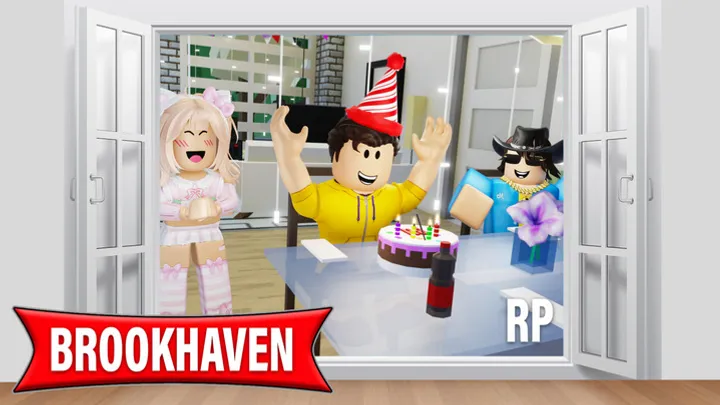
Brookhaven RP, created by Wolfpaq, remains one of the most enduring phenomena on the Roblox platform. While casual observers might view it as a simple life-simulation game, its massive success stems from a sophisticated "emergent gameplay" engine. Unlike games with rigid quest lines, Brookhaven provides a sandbox of interconnected assets—homes, vehicles, and interactive props—that serve as the raw materials for complex social storytelling. To master Brookhaven is to move beyond mere participation and into the realm of "Scenario Architecture," where you manipulate the game's hidden mechanics and social hierarchies to create immersive experiences. This guide provides a deep technical dive into the systems that define high-level play in the city of Brookhaven.
1. How to Establish a Social Foundation: The Mechanics of Presence
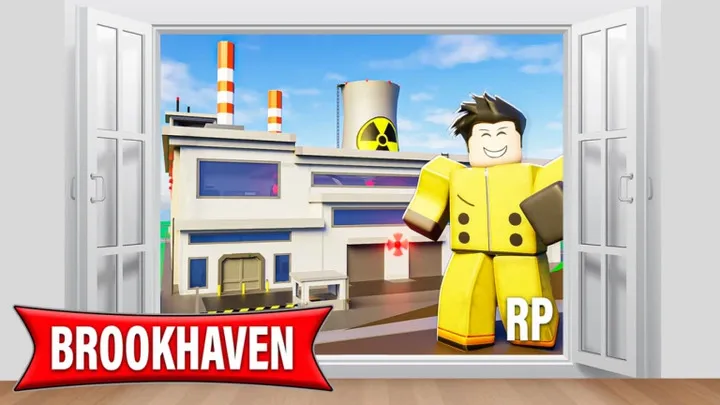
In Brookhaven, your "Identity" is your primary currency. The game’s character customization menu is more than an aesthetic tool; it is a signal of "Roleplay Intent." To establish a meaningful presence, you must understand the "Visual Lexicon" of the community. High-tier players often utilize the "ID-Code" system for clothing and accessories, bypassing the standard menu to create unique, high-fidelity avatars that stand out in crowded areas like the Spawn Square or the Fountain.
Technical mastery begins with the "Social Anchor." By selecting a specific profession in the job center, you don't just get a title; you gain access to specialized tools and vehicles that act as "Prop Magnets" for other players. For example, the Hospital and Police Station are high-traffic nodes. Occupying these spaces with a technically accurate avatar and utilizing the "Animation Loop" (such as the sitting or typing emotes) signals to the server that you are a serious roleplayer, attracting higher-quality interactions and filtering out "trolls" or disruptive players.
2. How to Master Estate Logistics: Selecting and Securing Your Plot
The housing system in Brookhaven operates on a "First-Come, First-Served" spatial logic. To maximize your influence on a server, you must understand "Plot Value." The plots closest to the Spawn Point and the Grocery Store are high-traffic zones, ideal for social hubs, whereas the remote lakeside estates are better suited for private, high-stakes narrative arcs. Selecting the right house model is not just about size; it is about "Interactive Density."
Choosing the Right Floor Plan
- The Modern Mansion: Best for large-scale parties; features open-concept living areas that prevent "Player Clipping" when 10+ avatars are in a single room.
- The Secret Agency Base: Hidden behind certain house skins, these offer verticality and secret rooms that are essential for "Espionage" roleplay.
- The Suburban Home: Ideal for "Family" narratives, offering a balance of exterior curb appeal and interior room segmentation.
Securing your estate is a technical requirement. The "Lock" mechanic prevents unauthorized entry, but experienced players also use the "Ban" and "Eject" tools as a form of "Bouncer Logic." By managing your plot's permissions effectively, you can control the flow of the narrative, ensuring that only invited participants can interact with your interior assets.
3. How to Execute the Heist: The Hidden Economy of the Brookhaven Bank
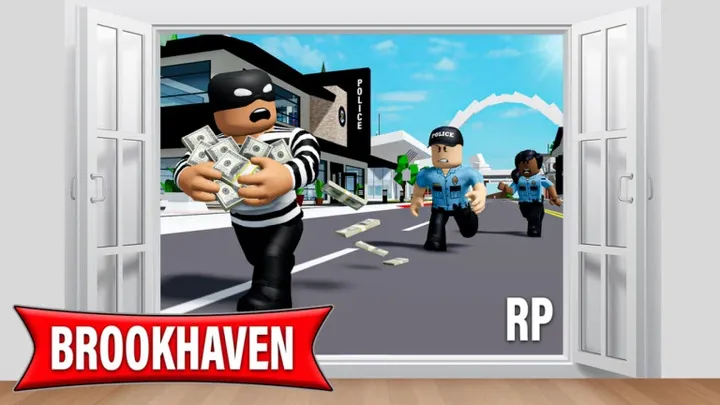
Brookhaven features a persistent "Criminal Loop" centered around the Bank. Unlike scripted games, the Bank Heist is a physics-based interaction. To execute a successful heist, you must first acquire the "Green Keycard" from the manager's office. This requires "Social Stealth"—utilizing the "AFK" emote or blending into the background until the office is unoccupied. Once inside the vault area, you must deploy the "C4" prop, which utilizes the game's sound-radius mechanic to alert nearby Police players.
The Perfect Escape Route
- Preparation: Park a high-velocity vehicle (like the Supercar or the Motorcycle) facing the street outside the Bank.
- Execution: After the explosion, grab the "Money Bag" asset. This item changes your character's movement speed and visibility.
- The Secret Passage: Many veterans use the "Cleaners" trapdoor or the underground tunnel system that connects the Bank to the outskirts of town.
- Cool-down: Move to a remote area or change your avatar's appearance to reset the "Search Radius" of the Police players.
4. How to Manipulate Vehicle Physics: Speed, Tuning, and Handling
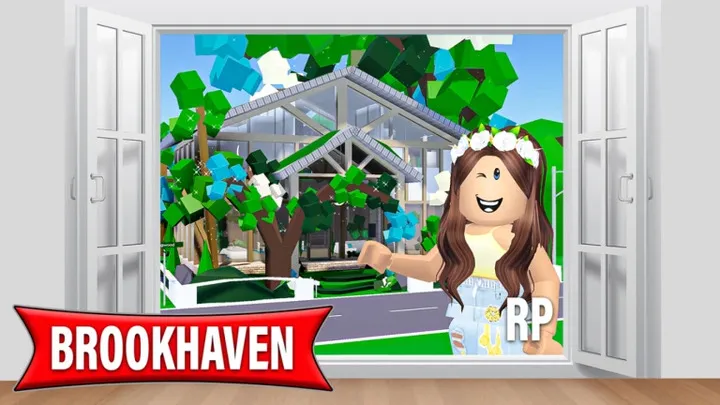
Vehicles in Brookhaven are not just for transport; they are status symbols and tactical tools. The "Vehicle Menu" allows you to adjust the "Speed" and "Suspension" of your car. For high-speed chases, setting your speed to the maximum (often 200 in premium servers) is necessary, but it makes the car's "Turn Radius" extremely wide. Technical drivers use "Brake-Clipping"—briefly exiting and re-entering the vehicle menu to reset the car's physics state—to take sharp corners without losing momentum.
Beyond speed, "Vehicle Customization" serves a narrative purpose. Changing the color and light-bar configuration can transform a standard SUV into a "Civilian Undercover" police vehicle. Furthermore, the "Fire" and "Smoke" modifiers on vehicles can be used to simulate accidents. This is a key "Scenario Trigger"; by placing a smoking vehicle in the middle of the main road, you create a "Dynamic Event" that naturally draws in Firefighters, Medics, and Police, effectively starting a large-scale roleplay event without typing a single word.
5. How to Utilize Secret Passages: Navigating the "Hidden Brookhaven"
The map of Brookhaven is riddled with "Hidden Geometry." These are areas not visible on the standard map that serve as hubs for the game’s "Lore Enthusiasts." The most famous is the "Secret Agency" located behind the wall in the Police Station or the hidden room in the Hospital. Accessing these requires specific "Click-Triggers"—interacting with a specific lamp, book, or vent.
Essential Secret Locations
- The Electric Station Secret: A hidden bunker that controls the town's power grid, ideal for "Villain" arcs.
- The Manor Attic: Accessed by jumping on specific furniture, providing a vantage point over the town square.
- The Underground Sewer Network: A vast maze that allows for undetected movement across the entire map.
Mastering these passages allows you to perform "Teleportation-style" movement. By disappearing into a vent in the Hospital and appearing minutes later in the Cinema, you create an air of mystery and mechanical superiority. This is particularly useful in "Hide and Seek" or "Manhunt" scenarios where knowledge of the map's collisions and invisible walls is the ultimate advantage.
6. How to Optimize Roleplay Commands: The Power of UI Interactions
The Brookhaven UI is designed for speed. To be an effective "Scenario Architect," you must master the "Quick-Prop" and "Emote" hotkeys. The "Prop Menu" allows you to spawn everything from strollers to laptops. The technical trick is "Prop-Stacking"—using a combination of the "Sit" animation and a "Laptop" prop to create a functional workspace anywhere in the city.
Furthermore, the "Bio" and "Name" tags are critical for "Context Injection." By using the "Rich Text" format (if supported) or specific color-coding in your name tag, you can convey your character's state—such as [Injured] or [Working]—instantly. This reduces the need for "OOC" (Out of Character) chat, keeping the immersion intact. A high-level player keeps their "Action Log" clean, using the game's physical tools to show their story rather than just telling it in the chat box.
7. How to Manage the "Family" Mechanic: Social Engineering and Groups
Brookhaven’s "Family" system allows players to "Adopt" or "Be Adopted," creating a formal link between avatars. From a technical standpoint, this grants shared permissions over houses and vehicles. To manage a successful "Family" roleplay, the leader must act as a "Server Moderator." This involves assigning specific roles to each member and ensuring that everyone is contributing to the narrative.
Successful Group Coordination
- Role Distribution: Assign a "Driver," a "Homeowner," and "Support" roles to ensure all mechanical needs are met.
- Communication: Use the "Party Chat" feature to coordinate movements across the map without alerting other players to your plans.
- Plot Sharing: Use the "Permission" menu to allow family members to edit the house, creating a collaborative building experience that evolves as the story progresses.
8. How to Navigate Premium Features: Value Analysis for the Power User
Brookhaven is free to play, but its "Gamepasses" provide a massive technical advantage. The "Premium" pass unlocks higher speed limits and exclusive houses, while the "Landbrook Estate" pass offers the largest plots in the game. To be a "Power User," you must evaluate the "Utility-per-Robux" of these passes.
For example, the "Music" pass is not just for entertainment; it is a "Vibe Controller." By playing specific audio IDs (Atmospheric, Tense, or Joyful), you can subconsciously influence the mood of every player on your plot. Similarly, the "Vehicle Pack" isn't just about looks; it adds vehicles with unique "Hitboxes" that can be used to block roads or create barricades more effectively than the standard car models. Knowing which tools are worth the investment is the difference between a casual player and a "Whale" who controls the server's visual and auditory landscape.
9. How to Handle "Fail-RP" and Trolls: Defensive Gameplay Systems
In a sandbox as free as Brookhaven, "Fail-RP" (players who break immersion) is inevitable. To maintain a high-quality experience, you must master "Defensive Systems." The first is the "House Ban." If a player is being disruptive, banning them instantly teleports them to the street and creates an invisible barrier. The second is the "Ignore" feature in the Roblox system menu, which hides their chat.
Technical players also use "Physics-based Defense." If a player is trying to "Ram" your vehicle, switching your car's speed to 0 and locking the doors creates an immovable object. If a player is following you, moving into a "Premium-Only" or "Gamepass-Locked" area acts as a mechanical filter. Understanding that you cannot "win" against a troll through chat, but you can "out-mechanic" them through plot and vehicle permissions, is the hallmark of a veteran.
10. How to Create "Events": The Peak of Scenario Architecture
The ultimate "How-To" in Brookhaven is the creation of "Server-Wide Events." This is where you transition from a player to a "Director." A successful event requires a "Hook" (a fire, a wedding, or a bank heist) and "Staging" (the right props and location). By using the "Global Chat" strategically and positioning your high-end assets in the center of town, you can pull the entire server's population into a single narrative.
Event Planning Checklist
- The Hook: A visually loud event, like a "Limo Convoy" or a "Crime Scene."
- The Hub: A central location with enough "Prop Space" for multiple participants.
- The Roles: Recruiting random players to fill necessary roles (Police, Reporters, Bystanders) by offering them "Permission" to your assets.
- The Conclusion: A clear ending to the scenario that allows players to disperse and start new arcs.
Conclusion
Mastering Brookhaven RP is an exercise in creative engineering. It is a game where the "fun" is not found in the code, but in the complex social structures you build using the game's physics and asset library. By understanding the logistics of estate management, the physics of vehicle tuning, the secrets of the map's hidden geometry, and the defensive systems against disruptive players, you transform from a visitor into the city's architect. Brookhaven is a canvas; its houses, cars, and props are your brushes. Whether you are conducting a high-stakes heist or managing a peaceful suburban family, your ability to "out-mechanic" the environment ensures that your story is the one that dominates the server.