






For more than a decade, ROUTINE has been a title surrounded by equal parts fascination and myth. First shown to the public in the early 2010s, the sci-fi horror game spent years in silence before re-emerging with a rebuilt vision. The 2025 update cycle marks the first time ROUTINE feels complete, cohesive, and confidently aligned with its identity: a cold, oppressive lunar horror experience blending retro-future aesthetics with immersive environmental storytelling. This feature explores how ROUTINE’s 2025 updates reshaped its narrative flow, gameplay systems, AI encounters, and world design, and why the game now stands out as one of the genre’s most intriguing slow-burn horrors.
A New Beginning for ROUTINE in 2025
The 2025 revival patch was more than a technical update—it was a philosophical reset. Developers aimed to refine ROUTINE into a purer form of atmospheric horror, minimizing excess systems and hyper-focusing on tension. They removed clunky mechanics, rebuilt stealth from scratch, expanded areas of the lunar base, reshaped the pacing, and introduced a more granular audio-driven fear system.
Returning to the Original Vision
Instead of shifting toward action or survival gameplay, the 2025 team doubled down on what made ROUTINE iconic:
retro-futuristic analog tech
isolated lunar corridors
malfunctioning AI threats
environmental storytelling over exposition
The game now relies heavily on player interpretation. Objects, terminals, sounds, and environmental placement reveal the fate of the facility instead of explicit dialogue.
A Rebuilt First Hour
The first hour of ROUTINE was redesigned to build anticipation more effectively. Previously, players were dropped into tension too quickly. Now, exploration unfolds gradually: lights flicker in distant hangars, dormant androids line the walls, and the Facility’s abandoned crew quarters hint at a silent tragedy. This pacing sets the tone for a game that prioritizes psychological horror over jump scares.
The Lunar Facility Feels Truly Alive… and Dead
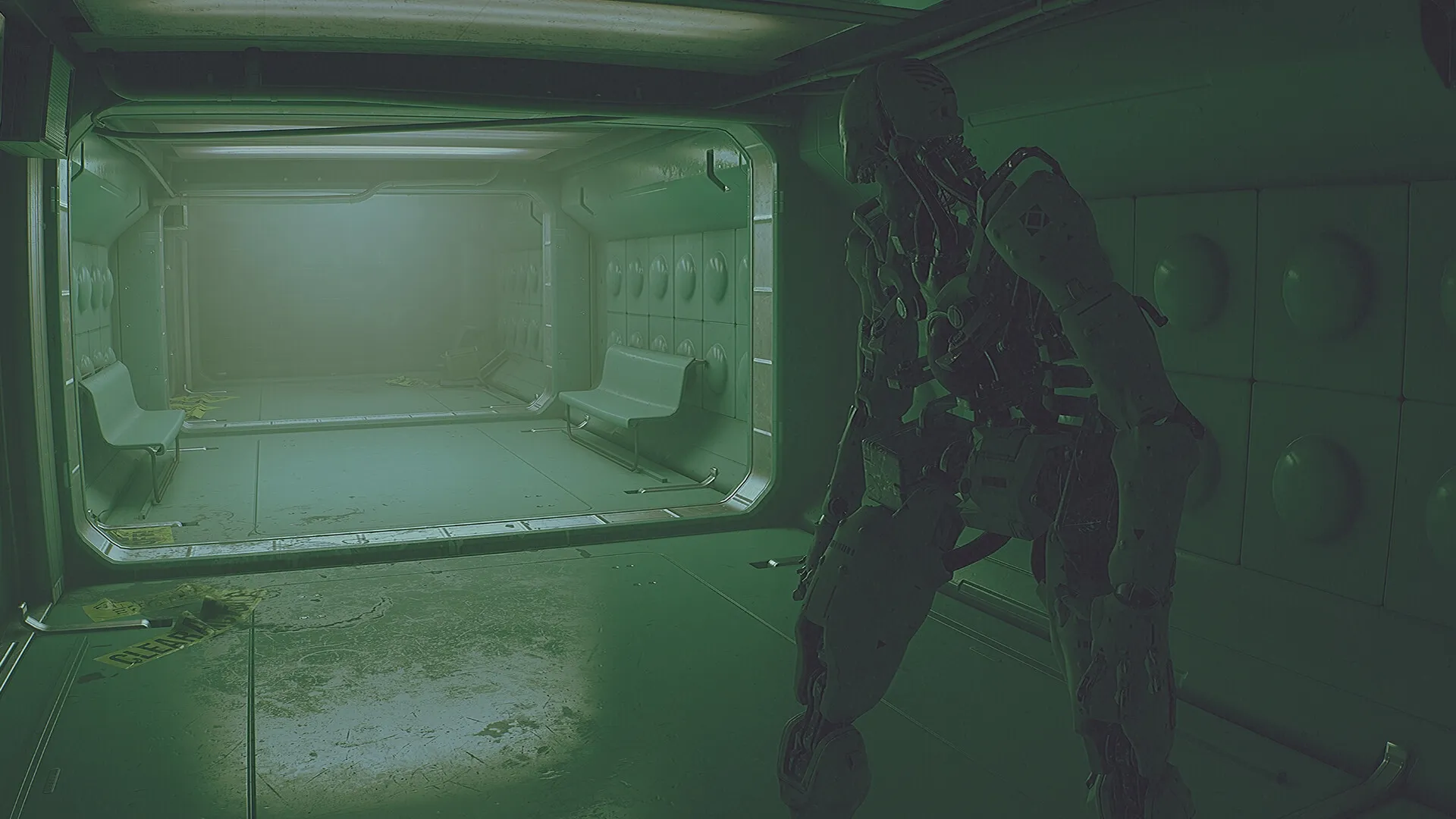
ROUTINE’s setting, the Lunar Transfer Station, is more detailed and more unsettling than ever. The 2025 update focused on environmental density—adding new wings, expanded maintenance tunnels, server farms, collapsed storage rooms, and off-path nooks that reveal bite-sized narrative clues.
Lighting Overhaul and Atmospheric Fidelity
A volumetric lighting overhaul fundamentally changed the Facility’s presentation. Light now reacts with dust, metal, wires, and broken electronics more realistically. Shadows ripple across hallways as machinery powers up or shuts down. Emergency red lights flicker with randomized patterns to produce unique tension each playthrough.
Sound as the Soul of the Station
The audio team reworked the station’s ambient soundscape:
distant metal groans
pressure fluctuations in airlocks
broken radios whispering looping fragments
reactor hums that become louder as you approach core systems
These sound cues aren’t just effects—they are gameplay signals. A distant metallic crash might indicate a patrolling android. A faint static signal might hide a clue on a corrupted terminal.
ROUTINE in 2025 is a masterclass in atmospheric immersion.
The Android Threat Has Evolved
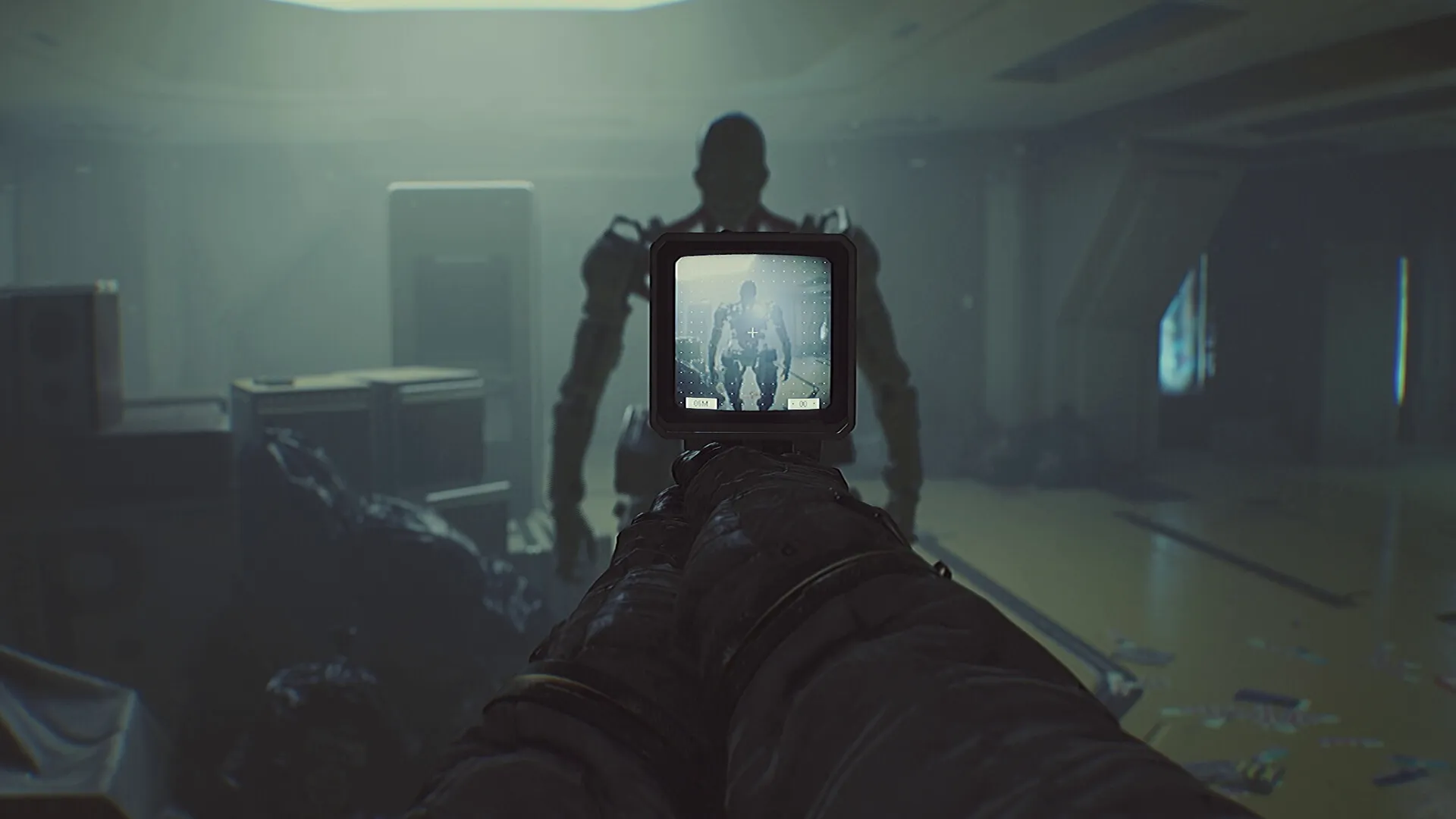
One of ROUTINE’s defining features is its terrifying mechanical enemies: humanoid androids with erratic behavior caused by corrupted firmware. The 2025 update completely redesigned their AI, giving them more personality, unpredictability, and presence.
Behaviour Trees Rebuilt from Scratch
The androids no longer rely on simple patrol loops. Instead, they:
prioritize disturbances from sound and movement
investigate terminals recently touched by the player
communicate through mechanical chirps
search rooms in layers rather than patterns
This leads to organic encounters. Sometimes they stalk silently; sometimes they sprint into areas aggressively; sometimes they stand motionless in the dark until a noise awakens them.
Enhanced Detection Systems
Androids now interpret player intent through a blend of audio, visual, and environmental cues:
footsteps on metal grates
breathing near sensitive sensors
flashlight reflection off glossy surfaces
door panels left open
Stealth is no longer just crouching; it’s environmental awareness.
The “Stutter Protocol” Mechanic
A new system called the Stutter Protocol was introduced in 2025. When androids suffer software glitches, they freeze for seconds or twitch violently before recalibrating. This creates openings—but also traps. Players must decide whether to slip by or retreat before the android stabilizes.
Stealth Reimagined for Modern Horror Gameplay
ROUTINE’s core gameplay has always leaned toward stealth and tension. Yet earlier versions suffered from unclear detection mechanics and unbalanced difficulty curves. The 2025 update changed all of that.
The Flashlight Loop System
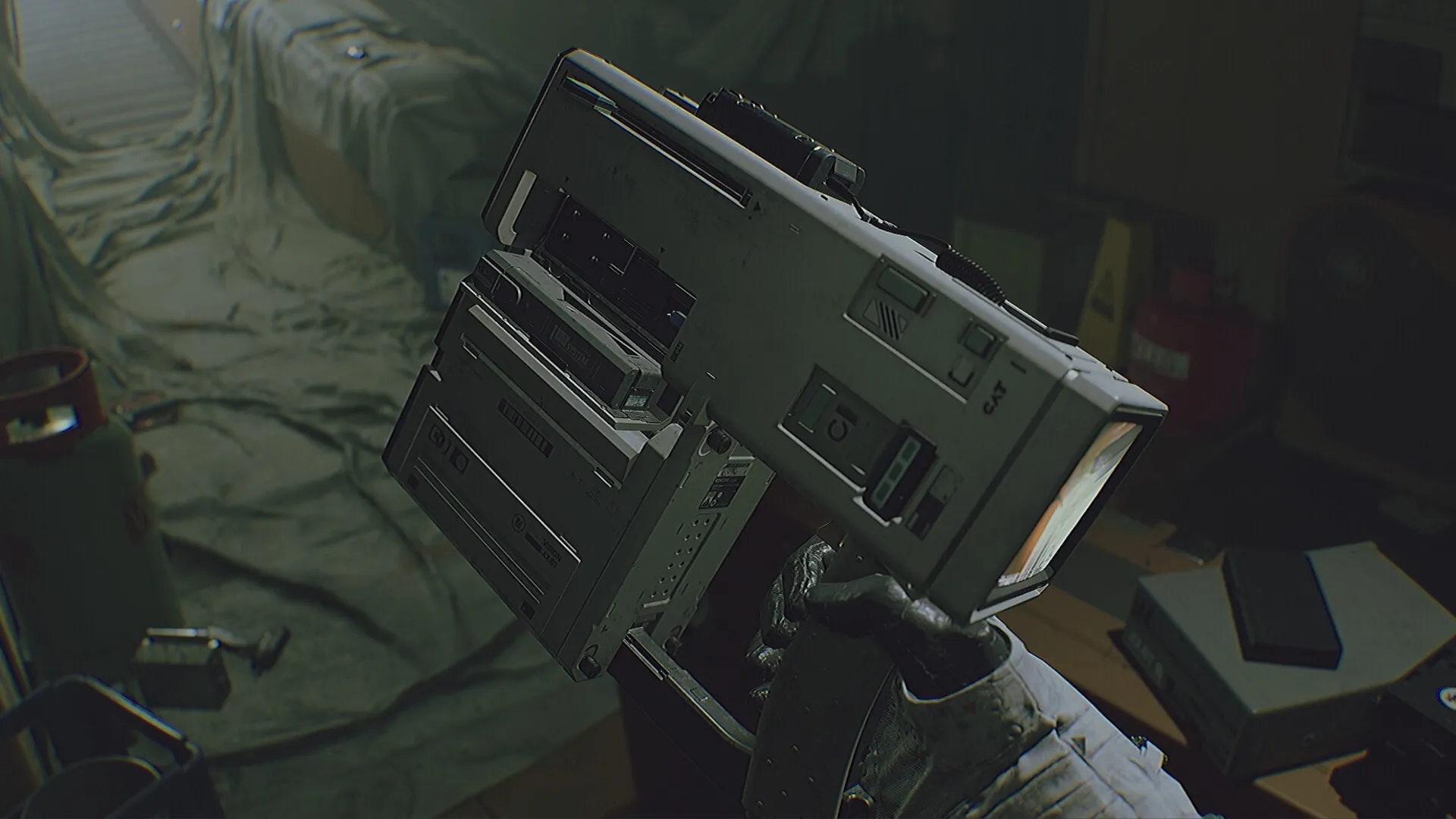
The flashlight is no longer a simple illumination tool. The new loop system allows players to:
overcharge the light for brief bursts of clarity
dim it for stealth
use flicker mode to confuse some malfunctioning androids
scan heat signatures in dark maintenance tunnels
This transforms the flashlight into a multi-purpose survival gadget.
Movement Rebalancing
Walking, crouching, and sprinting were fine-tuned to:
create smoother transitions
make footstep audio more predictable
reward silence over speed
The player’s movement now feels careful and deliberate, amplifying anxiety in enclosed spaces.
Terminal Interaction Stealth Layer
Terminals now require players to manage noise and visibility while accessing locked areas or reading crew logs. Some terminals emit loud startup sequences that may attract androids. Others flicker so brightly that they reveal your position through windows or glass partitions.
Players must weigh the risk of gathering information against the danger of being detected.
A Narrative Told Through Ruin, Silence, and Machines
ROUTINE’s narrative remains intentionally minimalistic. The 2025 update expanded the game’s worldbuilding without adding traditional cutscenes. Instead, the story emerges through fragments scattered in the environment.
New Story Nodes and Micro-Lore
Crew logs, corrupted audio messages, abandoned personal items, broken robotics, and hacked terminals now weave a more complete picture of what happened on the moon. Instead of spoon-feeding information, the game encourages players to assemble the truth.
The Tragedy of the Lunar Crew
The 2025 update adds subtle but powerful storytelling threads:
a medical officer who stayed behind to help injured colleagues
engineers who attempted emergency shutdowns
a scientist who left a cryptic message about “the root anomaly”
security teams who sealed off entire facilities
These small details enrich the haunting emptiness of the station.
Multiple Interpretations, No Absolute Answers
ROUTINE refuses to provide a single, definitive explanation. Every discovery introduces new questions:
Was the malfunction deliberate sabotage?
Did the AI evolve out of its control?
Was something—or someone—else influencing events?
This ambiguity grants ROUTINE its unique narrative flavor: a lunar ghost story told through code, wires, and steel.
Expanded Areas and New Gameplay Sections
The 2025 update didn’t just refine existing content—it expanded it. Several new zones were introduced, each contributing fresh gameplay twists.
The Lower Reactor Halls
These dark, humid corridors challenge players with limited visibility and oppressive soundscapes. Reactor drones roam unpredictably, requiring tight flashlight management.
The Memory Storage Vault
A new puzzle-oriented section that uses corrupted digital memories to alter the environment in subtle ways. Players must reconstruct sequences to unlock deeper sections of the base.
The Outer Rim Tunnels
An area exposed to lunar elements—dust storms, low gravity shifts, and decompression hazards—that force players to time movement between safe chambers.
These additions deepen the game’s structure without harming pacing.
Survival Systems That Prioritize Tension, Not Resource Hoarding
ROUTINE intentionally avoids traditional survival mechanics like hunger, crafting, or inventory management. But the 2025 update introduced lightweight systems that support tension without interrupting flow.
Battery Management
The flashlight and certain tools drain battery power. While batteries are not extremely rare, they are scarce enough to make players think twice before overusing high-drain modes.
Limited Emergency Tools
The player has access to several single-use items:
signal jammers to confuse androids
flare sticks to illuminate large areas
shock patches to temporarily reboot corrupted doors
These items provide options but never guarantee safety.
Minimal UI Philosophy
The interface stays clean, avoiding clutter or immersion-breaking elements. Audio cues replace many traditional HUD indicators.
The Emotional Core of ROUTINE: Loneliness and Uncertainty
One of the strongest aspects of ROUTINE’s 2025 identity is its emotional focus. Instead of relying on gore or surprise attacks, the game creates dread through solitude.
A World That Feels Truly Abandoned
Every corridor, kitchen, and workstation looks frozen in time. Food trays are scattered, lights flicker on emergency backup power, beds remain unmade, and terminals flash unread messages. This visual storytelling paints a picture of sudden catastrophe.
The Sound of Emptiness
Silence is not empty—it’s oppressive. The absence of human life weighs heavily, making even a distant clank feel sinister. ROUTINE’s horror is born not from what you see, but what you fear is waiting around the next corner.
Player Reception in 2025
The community has embraced ROUTINE’s revival. Players praised its commitment to vision, slow-burn pacing, and handcrafted tension. Critics highlighted the reworked android AI and expanded Facility layout as standout improvements.
A New Appreciation for Slow Horror
In a market filled with high-action survival titles, ROUTINE’s methodical, atmospheric approach offers a refreshing contrast. Many players describe the game not as a sequence of scares but as a sustained emotional journey.
Discussions Around the Ending
The updated ending sequence—still ambiguous but more cinematic—sparked lively debate. Theories range from AI autonomy to cosmic interference to psychological breakdown.
This mystery fuels ROUTINE’s longevity.
Conclusion
ROUTINE’s 2025 update transformed the game from an enigmatic cult project into a fully realized lunar horror experience. With rebuilt AI, expanded environments, deeper lore, and refined stealth mechanics, it stands as one of the most atmospheric titles of the year. It proves that horror can be quiet, patient, and deeply immersive without relying on excessive noise or spectacle. ROUTINE’s strength lies in its ability to make players feel lost, vulnerable, and alone—yet compelled to push deeper into the moon’s silent darkness.